





















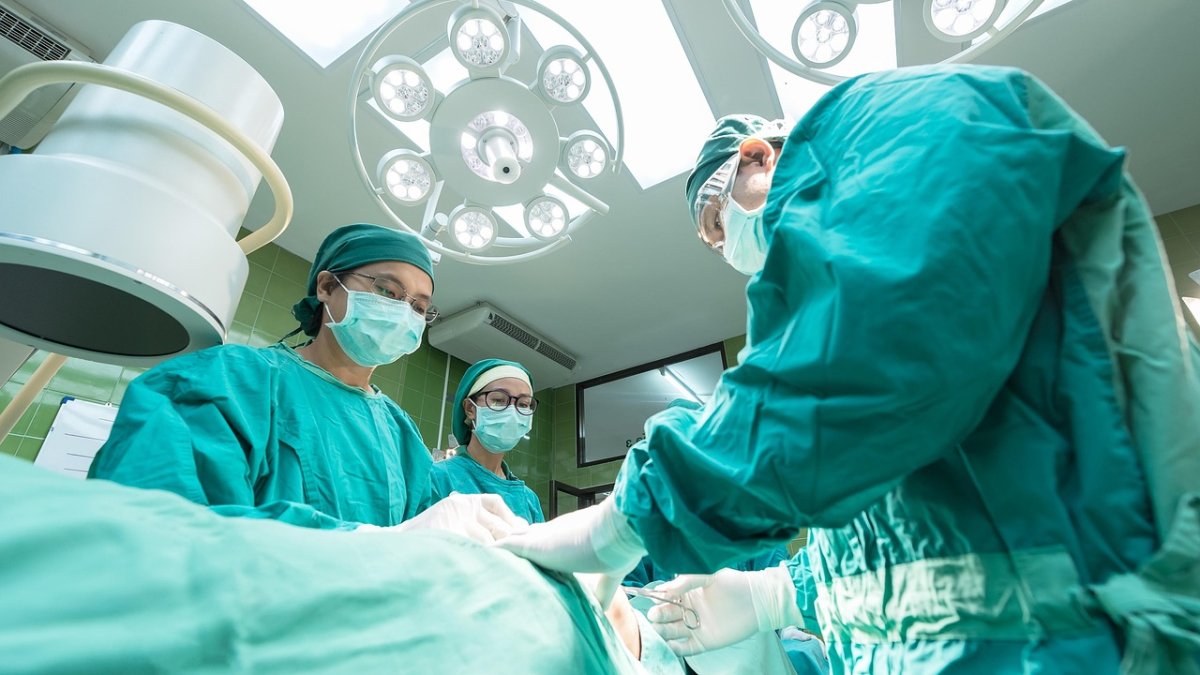
When doctors talk about “two lives at stake,” it’s usually a fancy way of describing a complicated situation. In this case there was no possible metaphor. It was literal. A baby with a lethal disease and a mother undergoing an intervention that bordered on experimental were about to enter an operating room where each decision could change everything.
It all started in one ultrasound second quarter routine in Florida. What should have been another pregnancy check turned into a devastating diagnosis: the fetus showed clear signs of congenital upper airway obstruction syndromeknown as CHAOS. A very rare disease, barely one case in every 50,000 pregnancies, in which an obstruction in the trachea prevents the lungs from releasing their secretions. The result is as simple as it is brutal: the lungs swell, putting pressure on the heart and ending up preventing its development.
In most cases, there is no margin. Without intervention, the outcome is fatal. And although there is a technique to try to save these babies, the standard procedure requires waiting until the end of pregnancywhen the fetus is ready to be born. Too late for Cassian. His heart was already starting to fail before he got to that point.
That’s where everything went wrong… or became extraordinary, depending on how you look at it. Lacking any real options, the parents asked the doctors to try anything that might give him a chance. What they received in return was a proposal that involved taking enormous risks: advancing the intervention to week 25, operate on the fetus partially outside the uterus and return it later so that it could continue developing.
It was not a standard decision. It wasn’t even a comfortable decision. It required the approval of an ethics committee and the coordination of a team willing to move in a field where there are practically no clear precedents. But it was that or wait for him heart of the baby will stop resisting.
The operation was as delicate as it sounds. Under general anesthesia, surgeons performed a partial cesarean section to expose the head and neck of the fetus without completely separating it from the mother. At that critical point, they inserted a catheter in the trachea to drain fluid accumulated in the lungs and relieve pressure on the heart. Then, against all intuitive logic, they returned him to the womb and closed the incision.
The margin of error was practically non-existent. The catheter had to be kept in an exact position for weeks: too loose and it could move, too inflated and it could compromise circulation or the development of the trachea. Additionally, there was another risk just as disturbing: if the baby tried to breathe during the procedure, the change in circulation could make it impossible to continue the procedure. pregnancy. Everything had to go right the first time.
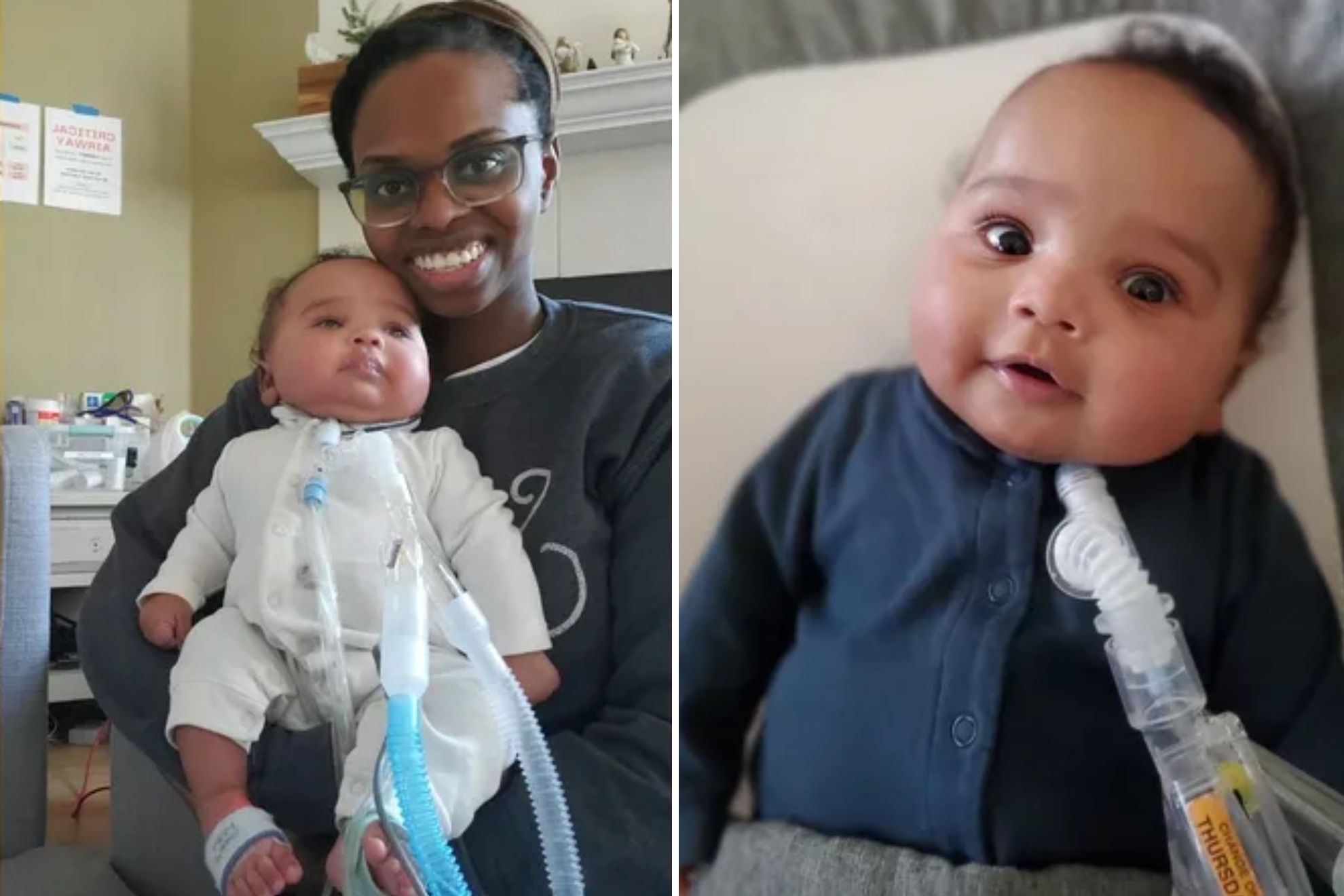
Cassian months laterOrlando Health
Delivery in week 31
During those subsequent weeks, the situation remained a precarious balance. The intervention had bought time, but it did not eliminate the danger. In fact, the procedure itself increased the risk of premature birth, something that ultimately occurred in the week 31six weeks after that extreme surgery.
At three in the morning, a team of about 30 people met again in the operating room to carry out the next step. They repeated the EXIT procedurethis time with the definitive objective: to secure the baby’s airway before completing delivery. They replaced the catheter with a breathing tube while Cassian was still connected to the placenta, and only then did they finish removing him.
The baby was born in relatively stable conditions, although with all the complications typical of a very premature baby. Passed hospitalized for months and still needs respiratory supportalthough it is already in the process of progressively withdrawing it. Later you will have to undergo another surgery to permanently remove the obstruction of your trachea.