




















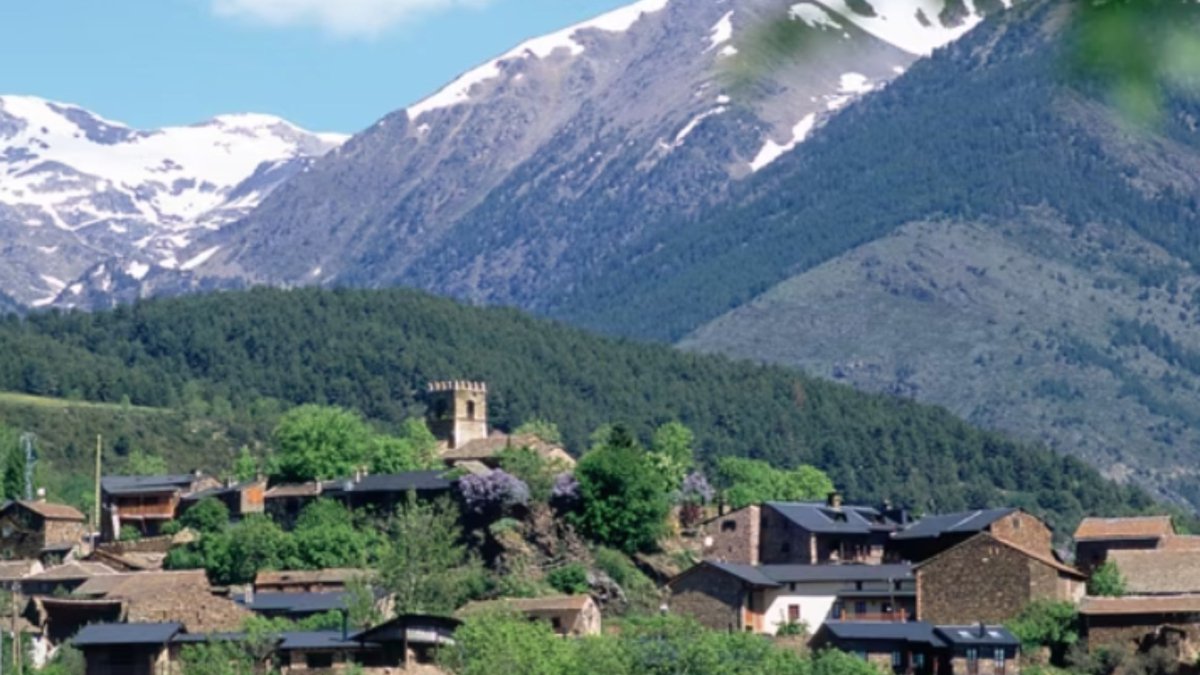
A study led by researchers from the University of A Coruña and the University of Barcelona has discovered a Roman gold exploitation in the heart of the Pyrenees. The work, published in the scientific journal MDPI, shows how they were able to carry out this construction almost 2,000 years ago, around 1,700, specifically, based on a hydraulic system to extract gold in the Cerdanya valley, in Lleida.
And, although it remained hidden for centuries under layers of sediment, this scientific team has managed to bring it back to light. The discovery occurred in Guilleteres d’All, an enclave in the Cerdanya region, but although it seems natural, it is shaped by the action of man.
This being something unique in the region: “For the first time, sediment layers associated with mining activity in Les Guilleteres d’All (Cerdanya) were dated using OSL, confirming that Cerdanya was a gold-bearing area during Roman times,” the research begins.
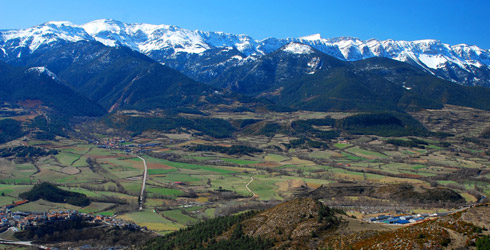
Tourism Catalonia
The first thing that was discovered is an infrastructure intended to store and distribute water, through which small particles of gold were also extracted from the earth and gravel deposits, thus avoiding having to dig directly, something much more expensive and dangerous.
The facilities stopped being used between the 1st and 3rd centuries.
It is estimated that they displaced nearly two million cubic meters of land, and large ditches and excavations can be seen today. Using scientific dating techniques It was determined that the facility stopped being used between the end of the 2nd century and the beginning of the 3rd century AD.
“We believe that it is possible that the crisis and abandonment of the city of Iulia Libica coincided with the abandonment of the mines of Les Guilleteres, probably exploited as part of the territory and resources of this urban center and that stopped functioning when the city entered a clear decline,” they point out in the conclusions of the study.