




















Italy is no longer an emerging padel market: It is one of the countries that lead the maturity of the industry.
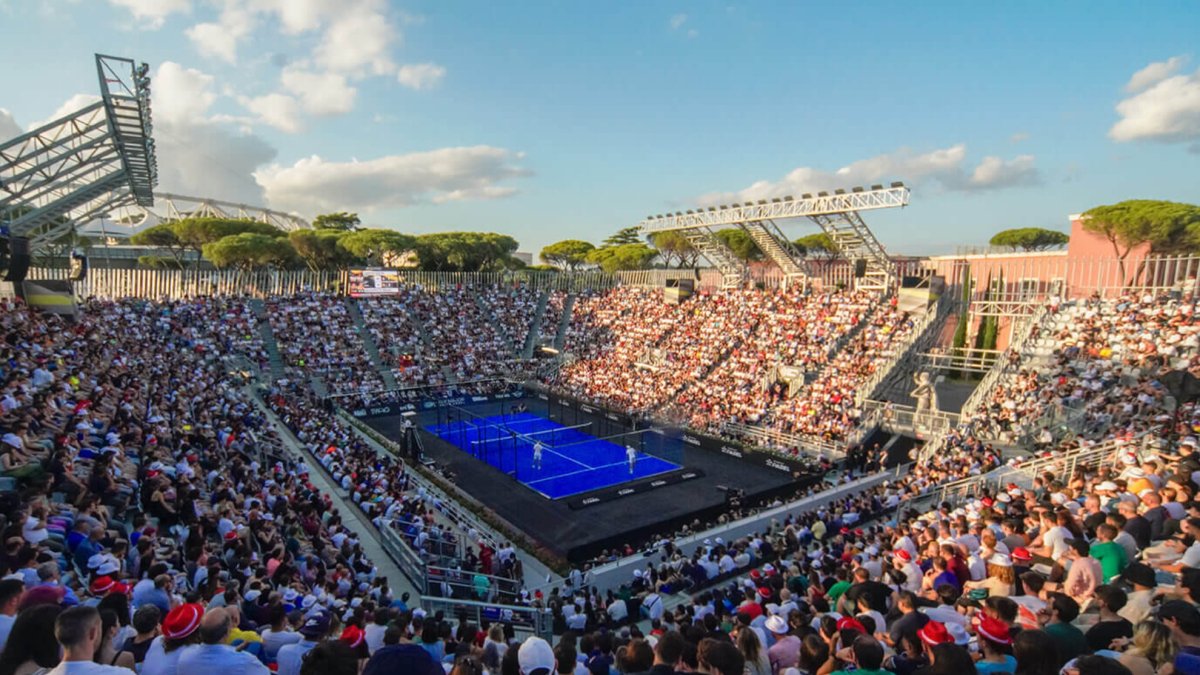
That is one of the main conclusions of the Global Padel Report 2026, prepared by Playtomic and PwC Strategy& returnwhich places the transalpine country within the so-called Padel Heartlands: markets where growth no longer depends on building more runways, but on optimizing an ecosystem that has reached a relevant scale. And the numbers explain why just in the week in which the first Major of the Premier Padel season in the iconic Italic Forum of Rome.
Italy It already exceeds 10,000 courts and has established itself as one of the largest global padel markets. However, the report notes that the focus has changed. The question is no longer how many tracks are built, but how much performance each one generates.
In mature markets, value creation shifts from expansion to operational efficiency, profitability and business consolidation. In fact, the report identifies a new phase in which operators seek to maximize the use of their facilities and professionalize their management.
The figures are significant. Mature racket sports clubs reach utilization rates close to 70%gross margins 55% and periods of return on investment of around three years. They are indicators that explain the growing interest of investors and specialized funds in the sector.
The business change
The report shows that the most advanced clubs no longer rely solely on court rentals. Restaurants, academies, wellness, events and competitions generate an increasingly important part of income. The club thus evolves towards what Playtomic calls a Third Space: a space where dSport, leisure and community coexist under the same model.
This evolution seems especially appropriate for Italy, where the social dimension of padel has been one of the drivers of its growth in recent years. The report also highlights another phenomenon: the growing relationship between paddle tennis and real estate investment. In mature markets, runways are beginning to be integrated into residential projects, hotels, leisure complexes and mixed-use developments as a tool capable of generating activity and increasing the attractiveness of assets.
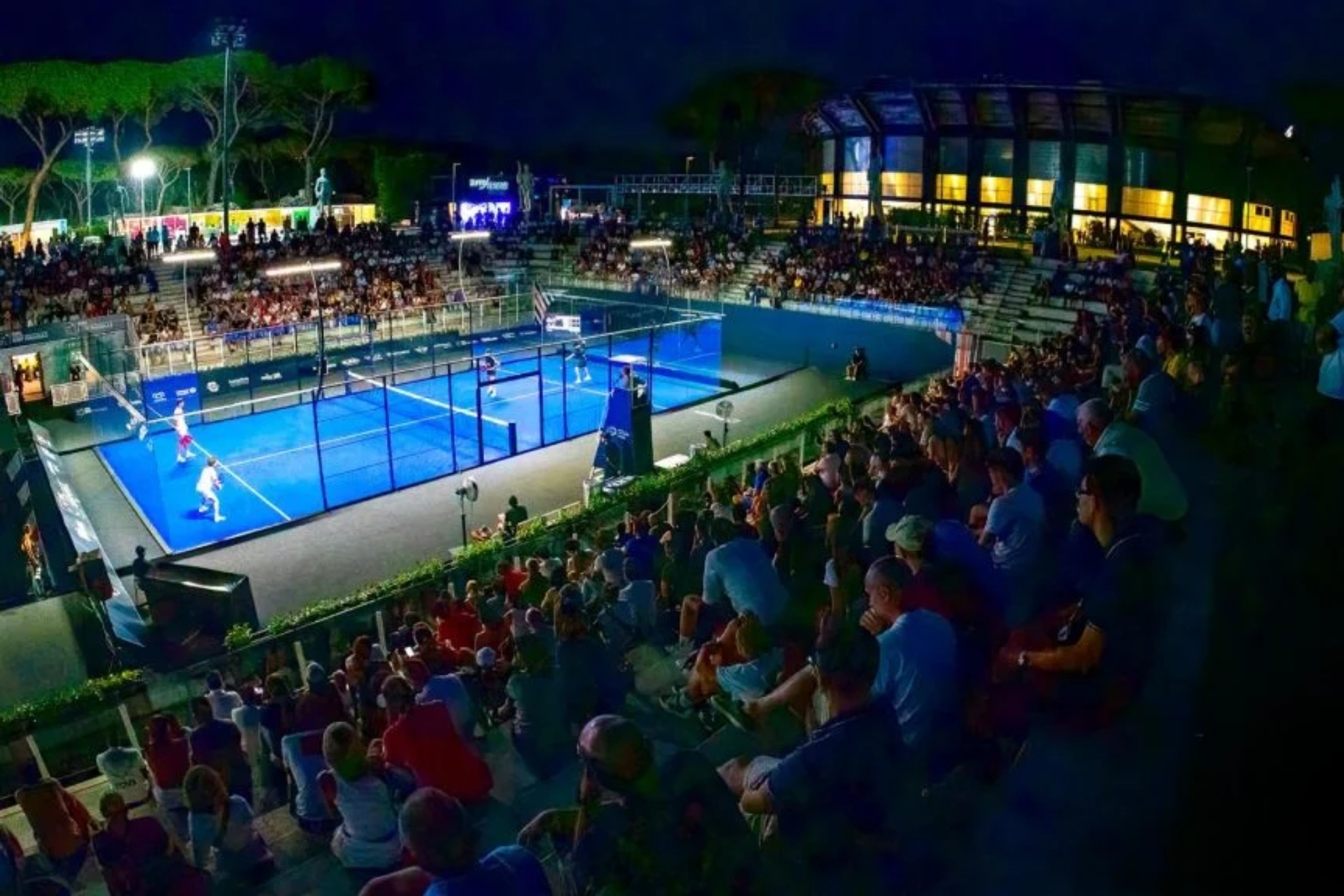
One of the paddle tennis courts in the Foro Italico.
It is no coincidence that the industry has begun a consolidation phase. According to the study, the sector is evolving from the massive opening of facilities towards a scenario marked by acquisitions, integration of operators, improvement of assets and entry of institutional capital.
Therefore, the great news for Italy is not only that it has surpassed 10,000 tracks or that it has a huge player base. The real news is different: paddle tennis has stopped behaving like a trend. Starts to behave like an industry. And that is usually the clearest sign that a market has reached maturity.
The classification of the different padel markets.
This is how Playtomic’s Global Padel Report 2026 classifies the global padel markets.
1. Padel Heartlands . Spain, Italy and mature markets
2. The Sweet Spot. markets with strong growth and supply-demand balance
3. The Hotspot. Emerging markets with rapid expansion
4. Diamonds in the Rough. Countries with potential yet to be developed
5. Post-Boom Adjustment. Markets undergoing correction processes after excessive expansion