





















Qasapalabra has already released ‘AlaZ‘, the test that takes over from ‘The Rosco’ with a new dynamic. The contestants can ask for clues in exchange for timethe answers have a only valid solution and the public now has more information on the screen to follow the outcome.
The premiere of ‘AlaZ’ has changed one of the most recognizable moments of Pasapalabra. The final test of the Antena 3 contest has left behind the mechanics of ‘El Rosco’ to incorporate a new system in which strategy, time management and precision play an even more important role.
Although the test change was already known to the program’s followers, its premiere has allowed us to see how the new dynamic really works and what the differences are that affect both the contestants and the viewers.
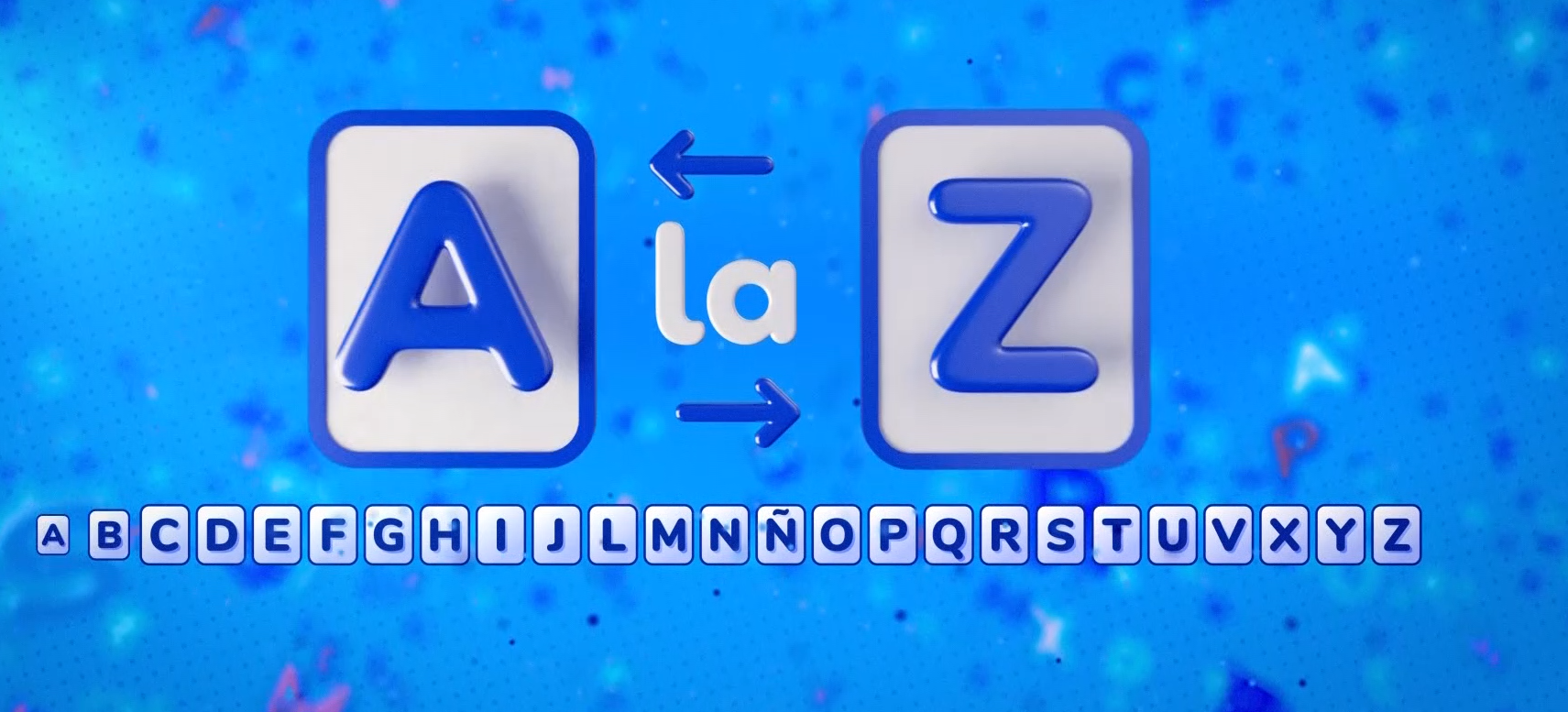
‘AlaZ’ is an adaptation of the Swiss ‘DallAZetA’ formatbroadcast for several seasons on public television RSI. Pasapalabra has maintained much of the essence of the original format, including even the phonetics of its name, but adapting it to the style of the Spanish contest.
.
An exact word for each definition
The main difference Regarding ‘El Rosco’ it is in the way of resolving the definitions.
In the previous test, contestants could sometimes find themselves with several possible answers for the same letter. In ‘AlaZ’, each definition has a single valid solution, which eliminates doubts between synonyms and forces us to find the exact word.
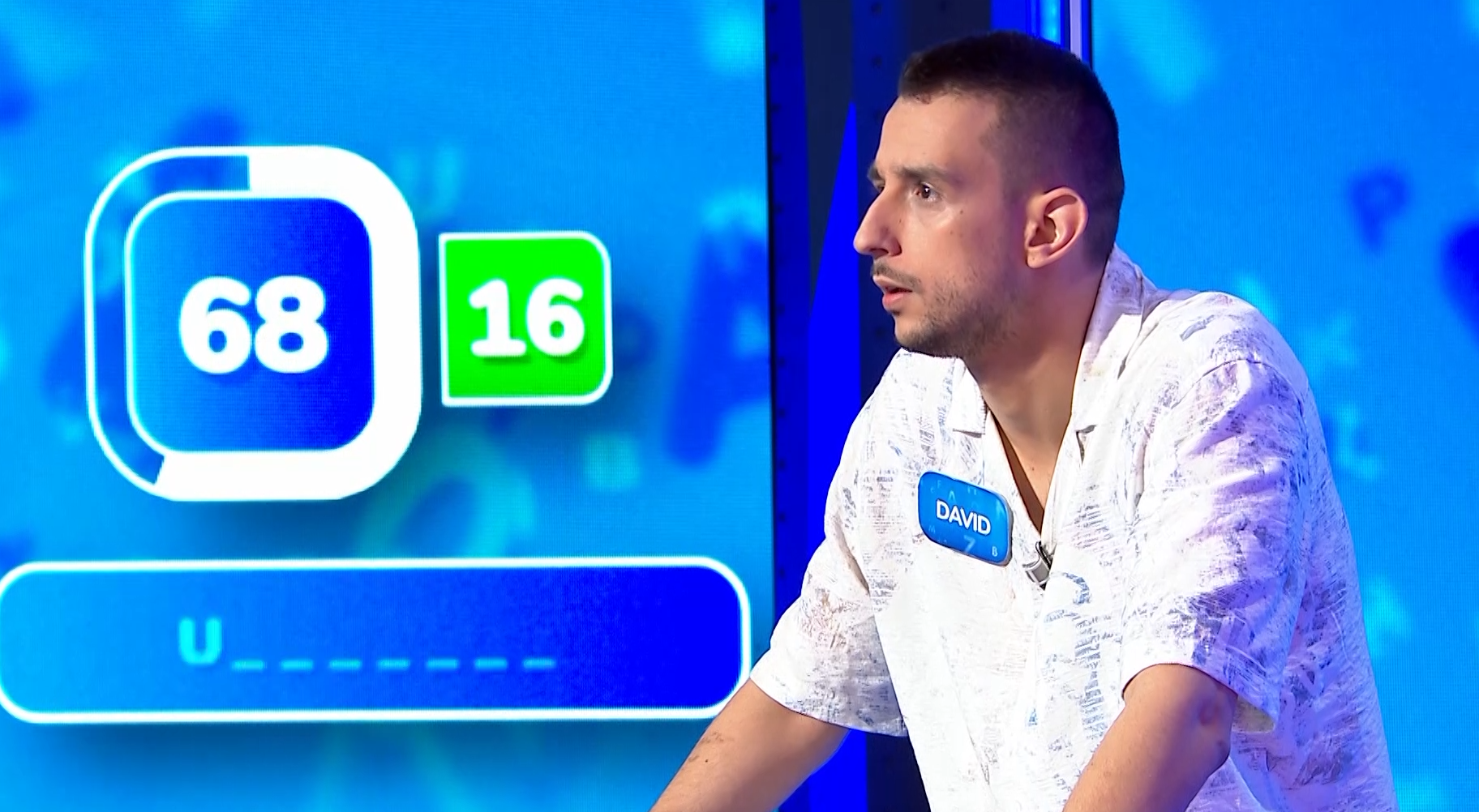
Additionally, players can see from the beginning how many letters are in the answer they are looking for. This feature change the strategysince it allows you to rule out options and bring the test closer to the mechanics of the traditional hangman game.
The difficulty increases because it is not enough to get the concept right: The answer must fit exactly the number of spaces available.
.
Asking for help has a cost
Another of the great novelties of ‘AlaZ’ is the appearance of tracks.
Until now, in ‘El Rosco’, the contestants only had two options: answer or say “Pasapalabra.” With the new test a third alternative appears: request help.
When a participant hesitates, You can request a clue by pronouncing “Letter”. The problem is that this help has a price: each track subtracts five seconds of the time available.
This change adds a new tactical element to the contest. Players must decide whether it’s worth wasting a few seconds to increase their chances of getting a tricky finish right, or whether they’d rather save the time for the final part of the test.
.
The viewer gains prominence
One of the big differences between AlaZ and El Rosco is also in the way in which the test is presented.
The new format incorporates a renewed graphic line, with new typography, its own header and a different arrangement of the letters. The circular image of the traditional rosco disappears and a horizontal representation is opted for.
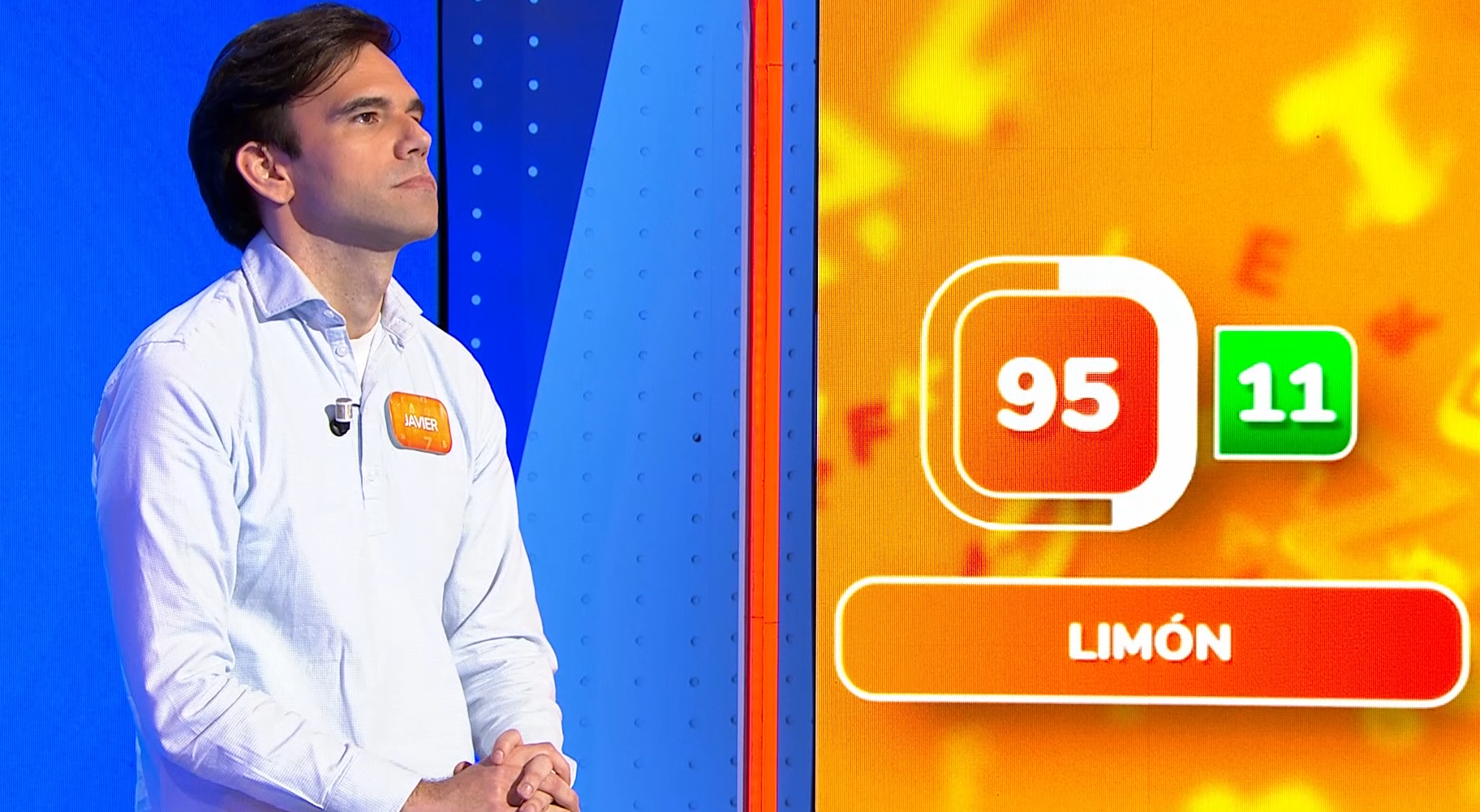
In addition, for the first time the viewer can see the complete question and the correct answer on the screen once each definition has been resolved.
This change improves monitoring from home, since for years a part of the public depended solely on what they heard through the presenter to know what word they were looking for.
More time and a key decision
‘AlaZ’ also introduces changes in the strategy prior to the outcome.
The contestant who arrives with the most accumulated seconds will have the possibility of choosing whether to start the test from A to Z or in the opposite direction, from Z to A.
This choice can become a decisive factor, since it allows the route to be adapted to the strategy of each player.
Furthermore, the initial time with which the contestants start increases compared to El Rosco. They go from having 85 seconds to having 110, a necessary modification because now there is the possibility of consuming part of the time requesting clues.
The premiere of ‘AlaZ’ opens a new stage for Pasapalabra and changes the way it faces its most decisive moment. The test maintains the challenge of finding words against the clock, but adds new decisions that can make the difference between completing the challenge or falling short of the goal.