
















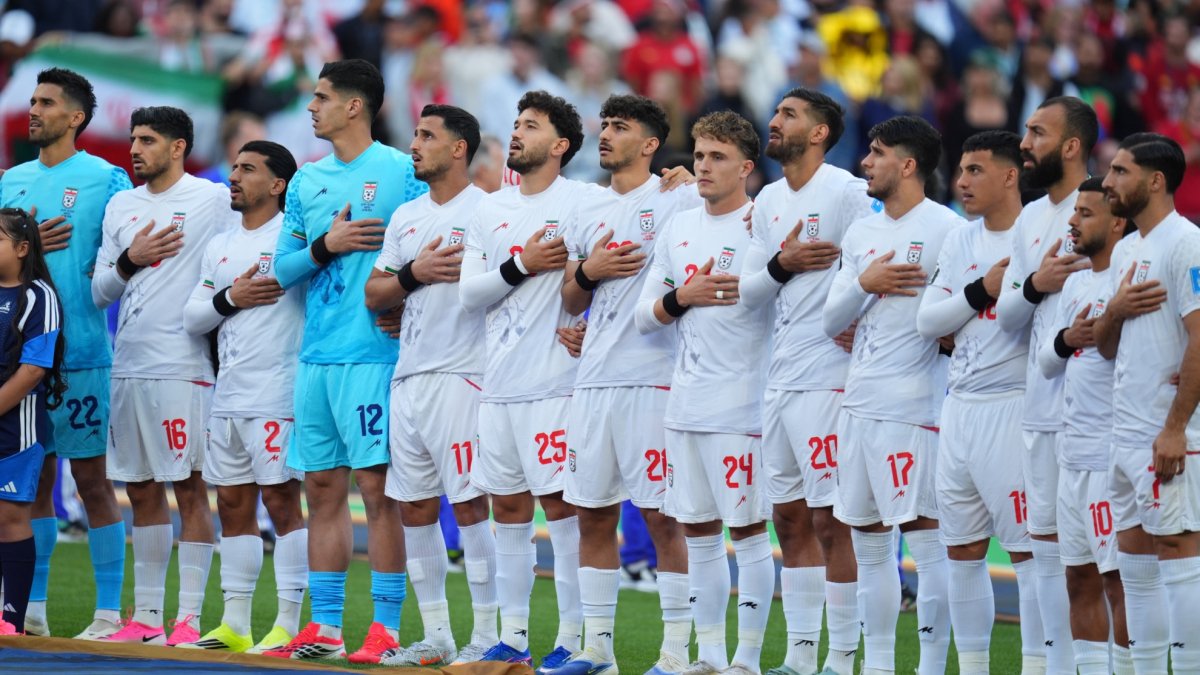
The 2026 World Cup has been too cruel to Iran. Amir Ghalenoei, Iran’s World Cup coach, already described what his team was experiencing just after the first match against New Zealand as “the most oppressed team in the history of the World Cups.”
Best third place World Cup 2026
Now Iran is already the history of the 2026 World Cup for the millimeters that canceled out Shoja Khalilzadeh’s goal against Egypt in the 96th minute and for Austria’s equalizer against Algeria in the 96th minute, after having been back in the playoffs in the 93rd minute due to Mahrez’s goal.
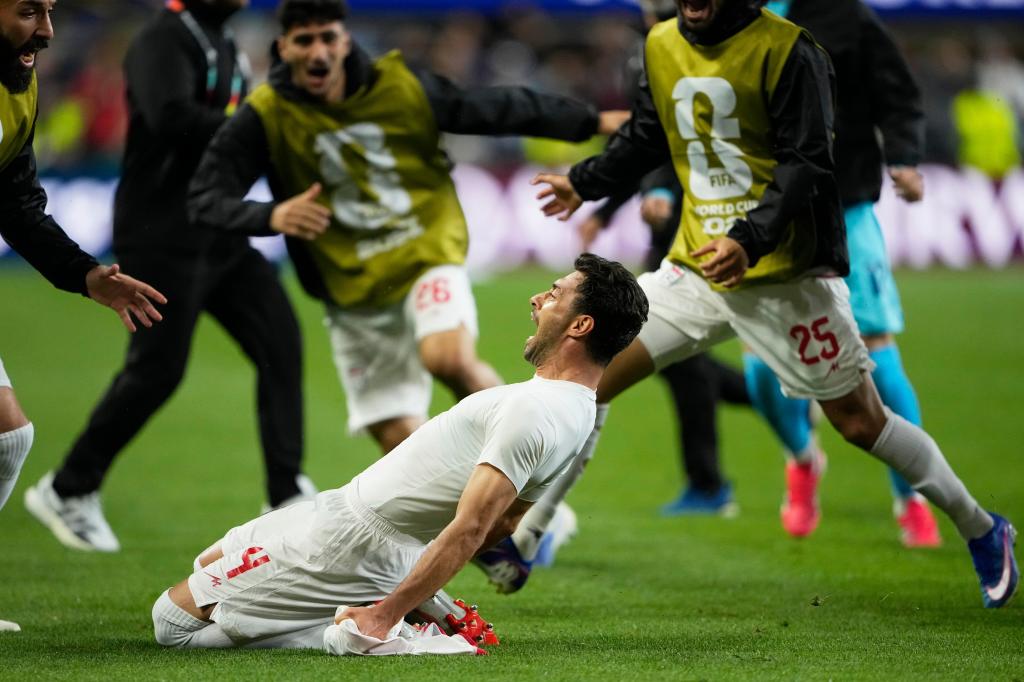
Shoja Khalilzadeh celebrates his goal against Egypt
It is incredible to be able to imagine a more cruel situation with, remember, one of the 48 teams qualified for the 2026 World Cup. The only one who did not compete on equal terms with the rest of the participants.
An invisible wall: Visa restrictions
Since before the start of the tournament, the team faced an unprecedented administrative siege by a host country. In fact, the United States has been the first World Cup host country to be at war with a participant at the start of the World Cup. That’s where the problems started.
We are the most oppressed team in the history of the World Cups
The US government, citing national security reasons, Denied visas to 15 key Asian staff membersincluding tactical analysts, doctors and press, which forced the coaching staff to duplicate operational functions.
Even the president of the Iranian federation, Mehdi Taj, was prohibited from entering the country for his alleged links to the Islamic Revolutionary Guard Corps, a group considered terrorist by the United States.
Mexico, its only good news
Could FIFA have put Iran in Canada or Mexico as an exceptional measure? The most severe restriction imposed by the United States (remember, host country, that welcomes) was the prohibition of the team spending the night on their soil between matches.
This forced They will move their training base from Arizona, where they initially planned to do so, to TijuanaMexico, forcing players to make round-trip flights on the same day of each match.
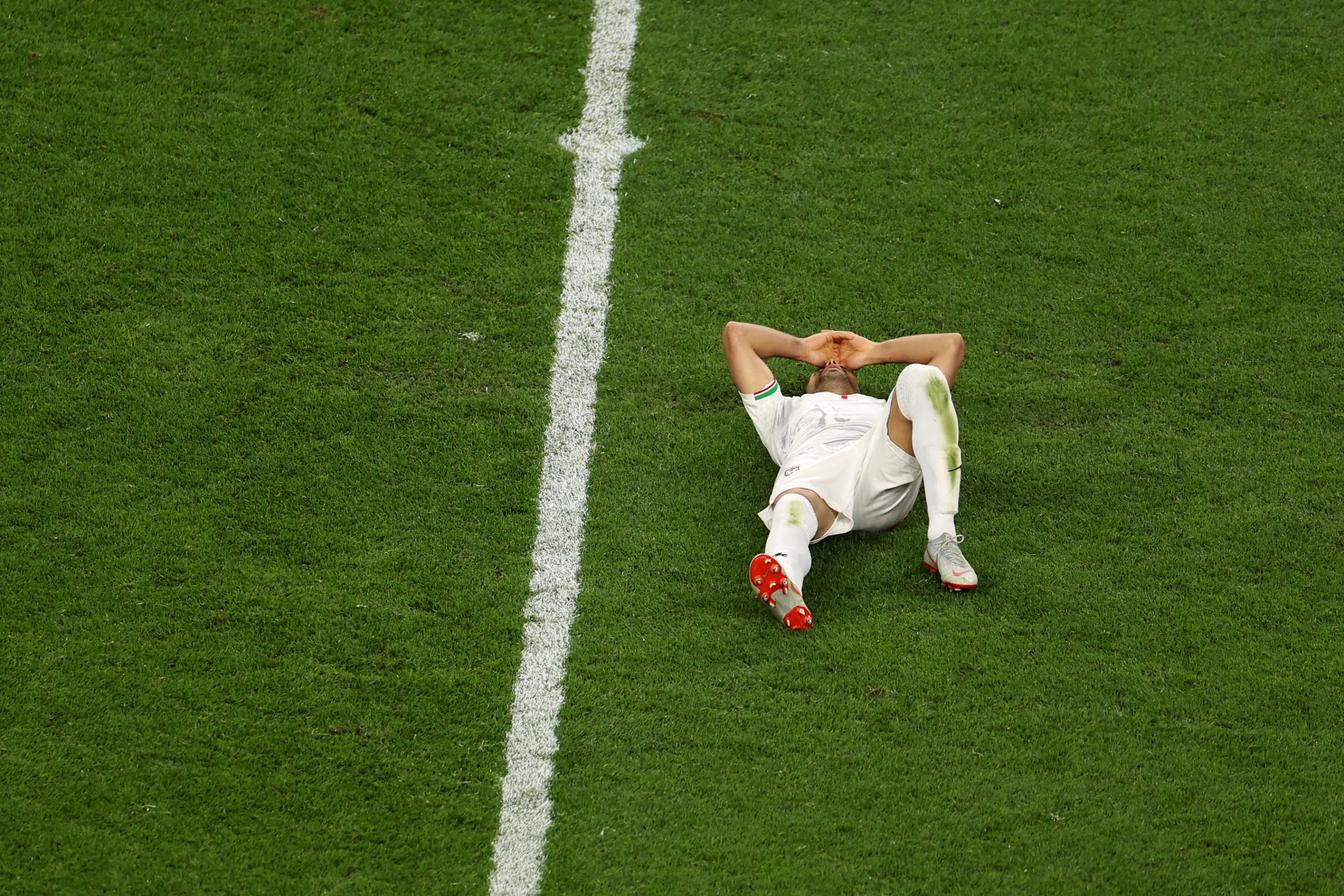
Shoja Khalilzadeh, at the end of the match against Egypt
These transfers were plagued by delays; on one occasion, a 30-minute trip turned into a five-hour wait at immigration controls before a game.
After their last match in Seattle against Egypt, The team was forced to board a plane at 3 in the morningeliminating any possibility of post-match physical recovery. “They have done everything possible to eliminate us, it is a disaster,” he said. Taremi after the match against the Egyptians.
They have done everything possible to eliminate us
The positive part was the enormous friendship that Iran found in Tijuana, converted into a World Cup ‘host’ without being one and where its inhabitants opened their arms to, we repeat, one of the 48 teams participating in the 2026 World Cup. That affection was the best news for the Iranians.
Without a local League and a footballer ‘purged’ by the war
In addition to the logistics itself, sports performance was severely affected by internal and external factors.
The outbreak of the military conflict between Iran, the United States and Israel in February 2026 led to the complete suspension of the Iranian domestic league, leaving local players (17 of 26 of the call) without competitive rhythm for months.
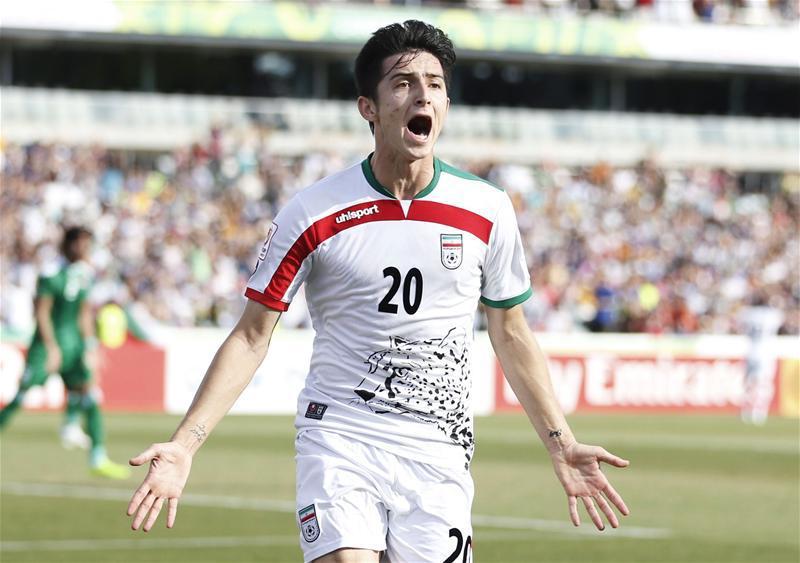
Azmoun, with the Iran team
Added to this was the political exclusion of its star Sardar Azmoun. Azmoun, the country’s third all-time top scorer, He was purged from the final list after publishing a photograph with the ruler of Dubaian act that the Tehran authorities considered “disloyalty” in the context of regional tensions.
Despite public calls, including from the country’s vice president, to reinstate him, the federation maintained his expulsion.
A divided fan base, two flags and a ‘pride party’
The atmosphere in the stadiums was extremely polarized. Much of the Iranian diaspora in Los Angeles and Seattle used the games to protest against the regime in Tehran, booing the national anthem and carrying the pre-revolutionary ‘Lion and the Sun’ flagwhich was banned by FIFA and the US courts as a political symbol, although as MARCA observed, in practice access to stadiums was allowed with it.
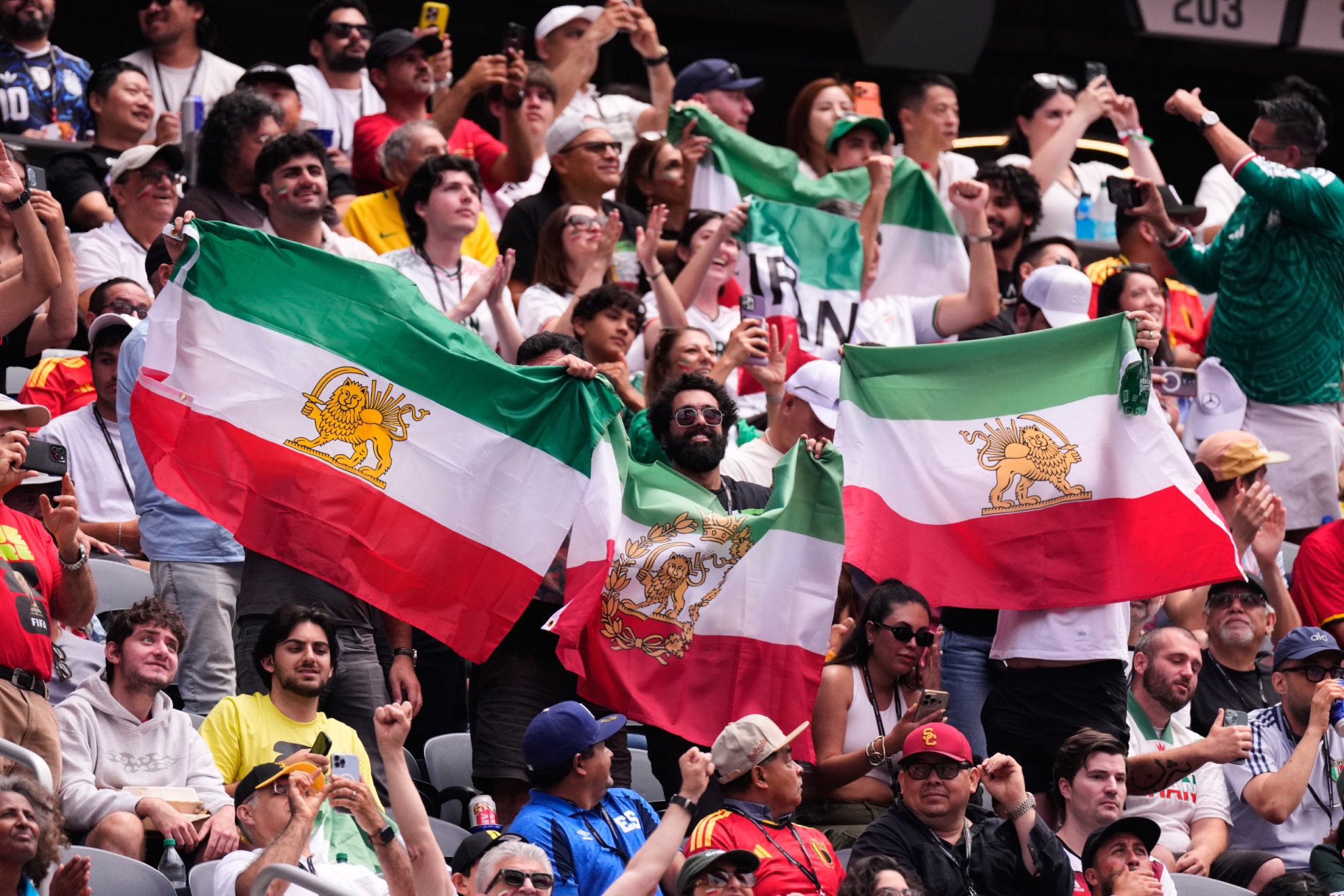
Iranian fans hold Iran’s pre-revolutionary flag
As if that were not enough, the Iranian team had to be the protagonist of the ‘Pride Party’ that created seattle as a World Cup venue. With homosexuality punishable by death in Iranian territory, the federation had to speak out against it. Again another extra-sports matter.
Both nations formally protested, claiming that the event clashed with its cultural and religious values.
The bitter end: two actions in the 96th minute
Despite this accumulation of adversities, Iran achieved an unprecedented feat by finishing the group stage undefeated for the first time in its history.
However, football had one last bitter surprise in store for him, as bad fortune also played its role in the last minute of the match against Egypt. A goal from Shoja Khalilzadeh in added timewhich would have given them automatic classification, was annulled by the VAR due to a millimeter offside.
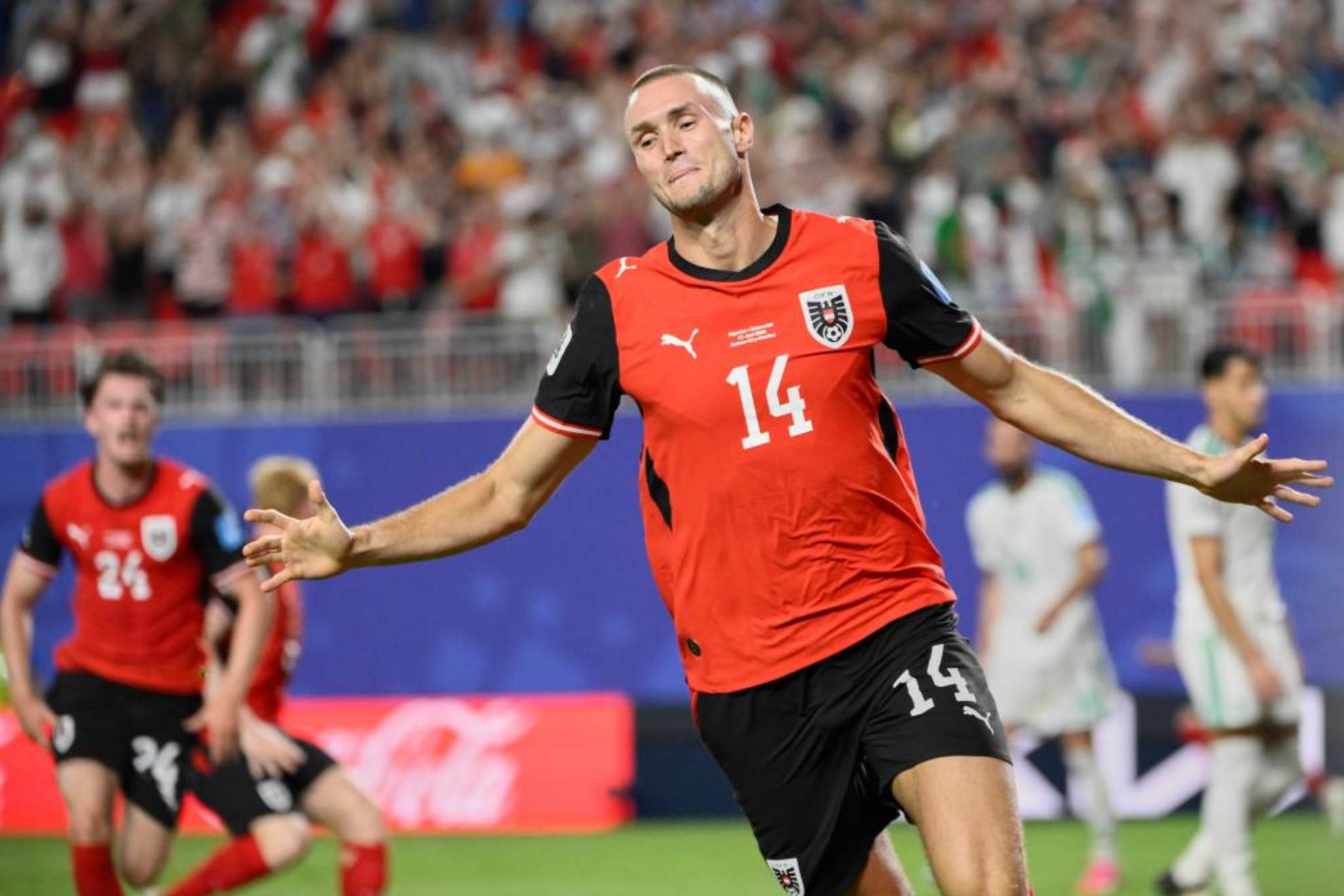
Kalajdzic celebrates Austria’s equalizer in the 96th minute
After the next day, everything depended on Algeria-Austria will not end in a draw (which favored both) and despite it being a match where 20 minutes passed in which nothing happened, a goal by Mahrez in the 93rd minute made it 3-2 for Algeria and, incidentally, gave Iran qualification.
Not even for those. Kalajdzic scored in the 96th minute to return the score to a draw and, once again, eliminate Iran once again.
Iran is eliminated from the 2026 World Cup without having been defeated, but with clear evidence of not having played on equal terms with the rest of the participants. Football has been cruel to them.