











How the Italian’s arrival from PSG could reshape City’s tactical approach following Ederson’s departure
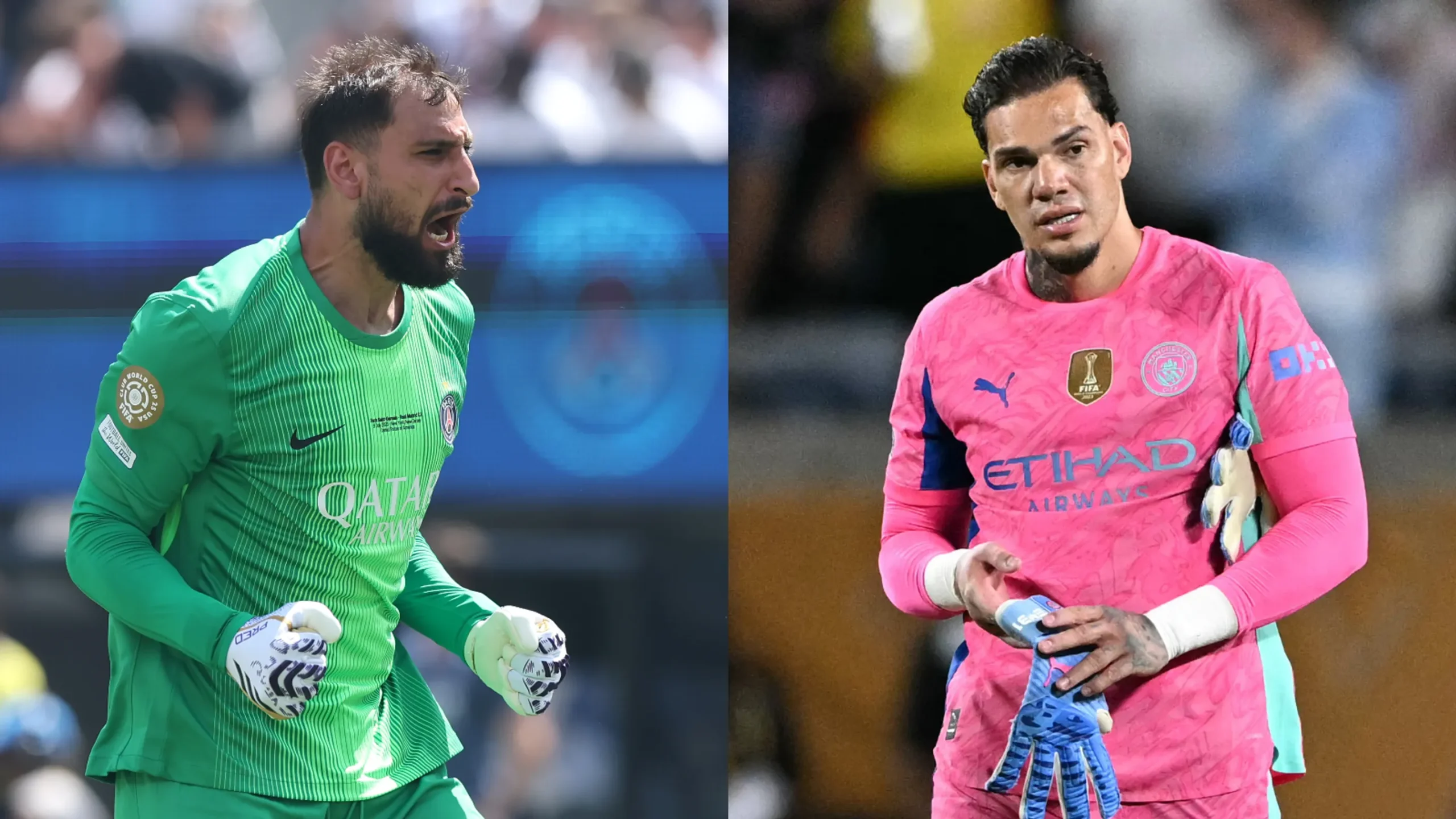
The potential transfer of Gianluigi Donnarumma to Manchester City, replacing Ederson who moved to Fenerbahce, represents a fascinating tactical pivot for Pep Guardiola. This goalkeeper switch might fundamentally alter how the Citizens approach their game plan.
The Ederson Era’s Revolutionary Impact
Guardiola’s influence on English football’s goalkeeping landscape has been transformative. When he arrived in Manchester, the Premier League operated under completely different principles. Statistical analysis reveals the dramatic shift: before Guardiola’s 2016 arrival, three-quarters of goal kicks reached the opponent’s territory. By the previous campaign, this figure had plummeted to just over 40 percent.
While rule modifications in 2019-20 allowing goal-kick passes within the penalty box contributed to this evolution, the trend was already established. Goalkeeper pass accuracy improvements demonstrate this tactical revolution was well underway.
Ederson’s 2017 signing proved instrumental to Guardiola’s football philosophy. The Brazilian’s exceptional technical abilities enabled tactical innovations that would have been impossible with conventional keepers. His presence essentially provided City with an additional outfield player, as opponents struggled to press effectively against his composed ball-handling skills.
Ederson’s Unique Skill Set
Beyond his short-passing precision, Ederson possessed remarkable long-range distribution capabilities. His lengthy passes weren’t speculative efforts but calculated, low-trajectory deliveries targeting specific teammates with surgical accuracy.
The Brazilian’s creative statistics are unprecedented among Premier League goalkeepers. With seven career assists across eight seasons, he outperformed all other league keepers combined during his tenure. His four assists in the 2024-25 season alone exceeded many forwards’ output, including stars like Erling Haaland and Phil Foden.
Despite passing being his standout attribute, Ederson’s shot-stopping remained elite. Last season’s Premier League data shows he prevented more non-penalty goals (6.0) than any competitor, based on Expected Goals on Target metrics that evaluate shot quality, placement, and keeper positioning.
Donnarumma’s Contrasting Profile
Manchester City’s acquisition of the Italian represents a philosophical shift. Donnarumma brings world-class shot-stopping abilities that arguably surpass Ederson’s defensive contributions. Over the past decade since his AC Milan breakthrough, only Jan Oblak and Brice Samba have prevented more goals through saves across Europe’s top leagues.
Donnarumma’s goal-prevention statistics (40.6 goals saved above average) demonstrate his exceptional reflexes and positioning. His commanding presence and ability to minimize scoring opportunities make him among football’s premier last-line defenders.
However, his distribution skills don’t match Ederson’s revolutionary standards. Luis Enrique’s decision to bench Donnarumma for PSG’s UEFA Super Cup final against Tottenham, citing the need for a “different profile,” highlighted these limitations.
Technical Analysis of Passing Abilities
Former England goalkeeper Joe Hart defends Donnarumma’s ball-playing capabilities, noting PSG’s successful build-up play during their treble-winning campaign. The Italian maintained an 85.4% pass completion rate in Ligue 1, ranking second among regular keepers.
However, deeper analysis reveals limitations. In Champions League competition against stronger opposition, Donnarumma’s completion rate dropped to 73.9%, while his long-pass percentage increased to 40.2%. His conservative approach showed in his low forward-pass percentage (45.6%) and minimal line-breaking passes (2.0 per 90 minutes).
The statistical contrast with Ederson is stark: the Brazilian created more assists in 26 matches last season than Donnarumma has generated scoring chances in 412 career appearances across all competitions.
Tactical Implications for Manchester City
Guardiola faces necessary tactical adjustments. City’s risky short passing from defensive areas, exemplified by James Trafford’s error against Spurs, may become less frequent with Donnarumma between the posts.
While Guardiola has historically used his keeper to find Haaland with precise long balls, Donnarumma’s distribution tends toward less targeted aerial passes. This difference could force City toward more traditional clearances rather than calculated attacking moves.
Football’s Evolving Landscape
Interestingly, this change aligns with broader Premier League trends. Guardiola himself acknowledges modern football’s shift toward transitional play, citing teams like Bournemouth, Newcastle, Brighton, and Liverpool as examples of contemporary tactical approaches.
Early season data suggests goal-kick strategies are reverting toward longer distribution for the first time in a decade, indicating league-wide tactical evolution.
Strategic Conclusion
Unable to find a keeper matching both Ederson’s distribution and shot-stopping excellence, Guardiola has prioritized defensive security. While this may slightly modify City’s build-up patterns, it positions them well for football’s transitional future.
Donnarumma’s arrival won’t revolutionize the position like Ederson’s initial impact, but it reflects pragmatic adaptation to modern football’s demands. City may face increased high pressing from opponents aware of the goalkeeper change, potentially leading to more direct play than previous Guardiola teams employed.
This tactical evolution represents not retreat from Guardiola’s principles, but intelligent adaptation to football’s changing dynamics while securing one of the world’s finest shot-stoppers.