















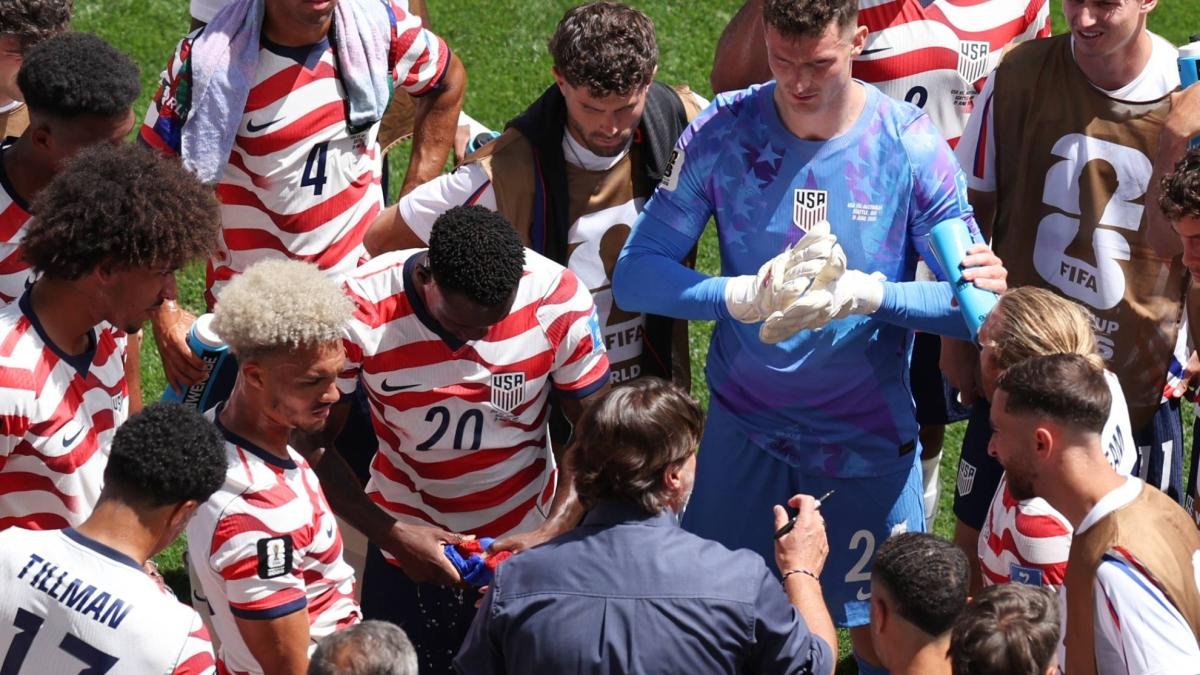
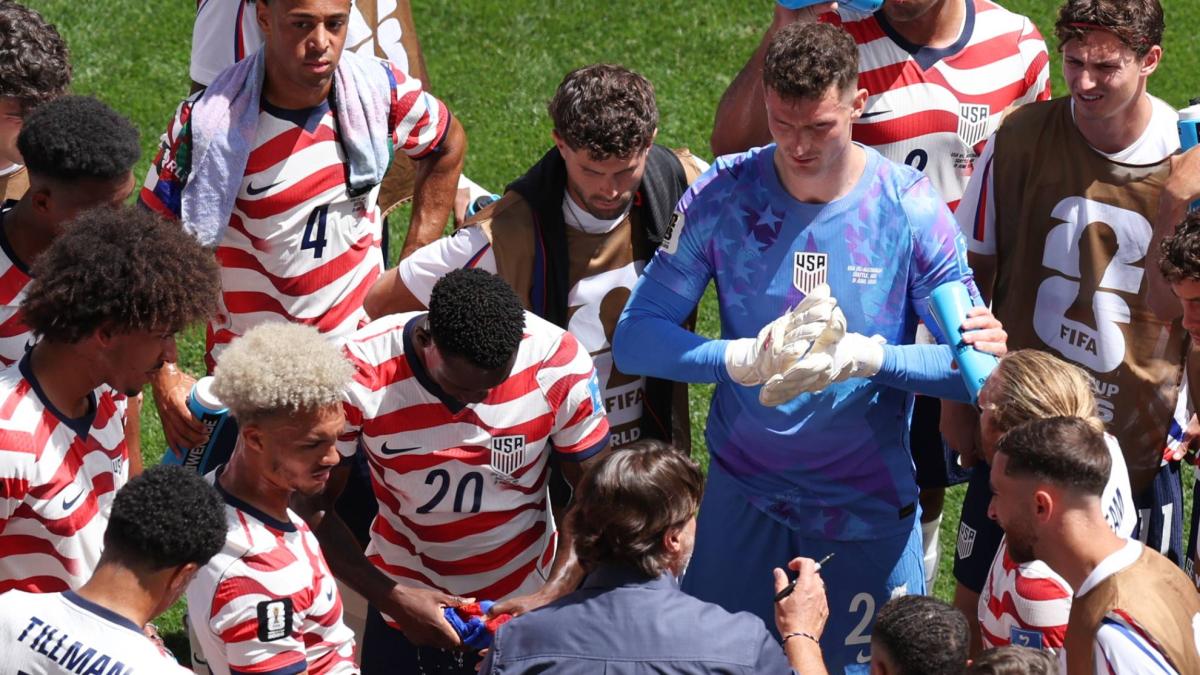
One of the great novelties that debuted at the 2026 World Cup was hydration breaks. Three extra minutes of rest in each half to preserve the health of the soccer players and alleviate the rigor of the torrid summers in many areas of the United States and Mexico. The measure was implemented in all matches, regardless of the ambient temperature, to guarantee equal conditions.
This novelty has received criticism and praise at the same time from football professionals. For those who have no doubt that the decision has been a resounding success, it is for the television operators.who have seen an opportunity to exponentially increase their turnover and income.
Eight more ads
Fox is the network that has the rights for the United States. Taking into account that the game is stopped for three minutes and that the announcements can begin to be broadcast 20 seconds after the referee whistles and must conclude 30 seconds before the game resumes, the remaining 130 seconds of the hydration breaks allow the network to have eight more announcements per game.
According to what the BBC publishes after consulting with advertising experts in the United States, the amount of money that Fox can receive per a 30 second ad During these breaks it ranges between 176 thousand and 264 thousand euros. In the case of the US team’s matches and those in the final phases, the figure amounts to 660 thousand euros.
Taking into account these indicative figures, it is estimated that the advertising broadcast during these breaks generates about 220 million eurosonly in the United States. We are talking about seven hours, 30 minutes and 40 seconds in the 104 World Cup matches of advertisements that were not available before. A considerable amount that until now had not been exploited and that now opens the debate as to whether these interruptions are here to stay permanently.
For us, it’s like having two NFL seasons in one year
Mike Mulvihill, president of analysis and information at Fox Sports
Round business
For the Fox network, the Soccer World Cup is being a successful and tremendously lucrative business. It won the English television rights to the 2018 and 2022 World Cups displacing ESPN. For each of them they agreed to pay close to 400 million euros, as long as the tournaments were held in the summer. As New York Times journalist Tariq Panja explains in an article on this matter, FIFA’s decision to play the World Cup in Qatar in winter generated a legal problem with Fox that threatened significant economic consequences for the soccer organization. The solution that FIFA found to save the situation was to extend Fox’s contract until 2026, in exchange for the network not taking legal action. In this case There was no bidding as in other editions, so no one could bid for the World Cup. It is estimated that Fox has paid around 427 million euros. “For us, it’s like having two NFL seasons in one year,” explains Mike Mulvihill, president of analysis and information at Fox Sports.
Global impact
Operators in each country have managed hydration breaks as they deemed appropriate. In Spanish TelevisionFor example, only advertisements from the companies sponsoring the Spanish team are broadcast. Dazn, for its part, does broadcast advertising during these breaks, although the rates are significantly lower than those charged by Fox. In England the BBC does not broadcast ads
According to experts, hydration ads can generate more than one billion euros worldwide. Figures that are supported by the audiences generated by the World Cup. According to FIFA, records are being broken in several countries including the United States.