

















Contents
- 1. Mountain Bike Styles: Your Gateway to Off-Road Adventure
- 2. What Defines Different Mountain Bike Styles?
- 3. Trail Mountain Bike Styles: The Ultimate All-Rounder
- 4. Cross-Country Mountain Bike Styles: Speed and Efficiency Masters
- 5. Enduro Mountain Bike Styles: Descending Specialists
- 6. Downhill Mountain Bike Styles: Pure Gravity Performance
- 7. Hardtail Mountain Bike Styles: Simplicity and Skill Development
- 8. Specialty Mountain Bike Styles: Niche Perfection
- 9. Electric Mountain Bike Styles: Power-Assisted Adventure
- 10. Choosing the Right Mountain Bike Style: Decision Framework
- 11. Essential Components Across Mountain Bike Styles
- 12. Maintenance Requirements for Different Mountain Bike Styles
- 13. Safety Considerations for Mountain Bike Styles
- 14. Future Trends in Mountain Bike Styles
- 15. Expert Recommendations for Mountain Bike Styles
- 16. Regional Considerations for Mountain Bike Styles
- 17. Building Your Mountain Bike Style Knowledge
- 18. Conclusion: Mastering Mountain Bike Styles for Your Perfect Ride
Mountain Bike Styles: Your Gateway to Off-Road Adventure
Selecting the right mountain bike styles can completely transform your cycling experience from ordinary to extraordinary. Whether you’re conquering technical descents, cruising scenic trails, or launching off jumps, understanding different styles ensures you’ll find the perfect machine for your riding ambitions.
In this comprehensive guide, we’ll explore seven distinct styles, each engineered for specific terrain and riding preferences. From weekend warriors to adrenaline seekers, there’s a mountain bike style waiting to match your passion.
What Defines Different Mountain Bike Styles?
Mountain bike styles represent specialized categories of off-road bicycles, each designed with unique geometries, suspension systems, and components tailored to specific riding disciplines. These styles have evolved over decades, shaped by rider demands and technological advances.
Modern mountain bike share common DNA – robust frames, knobby tires, and enhanced control systems – but diverge dramatically in their execution. Understanding these differences helps riders make informed decisions about which style best suits their adventure goals.
The beauty of bike lies in their specialization. While a cross-country bike excels at efficient climbing, an enduro bike dominates technical descents. This specialization ensures optimal performance within each discipline’s demands.
Trail Mountain Bike Styles: The Ultimate All-Rounder
Why Trail Bikes Dominate Mountain Bike Styles
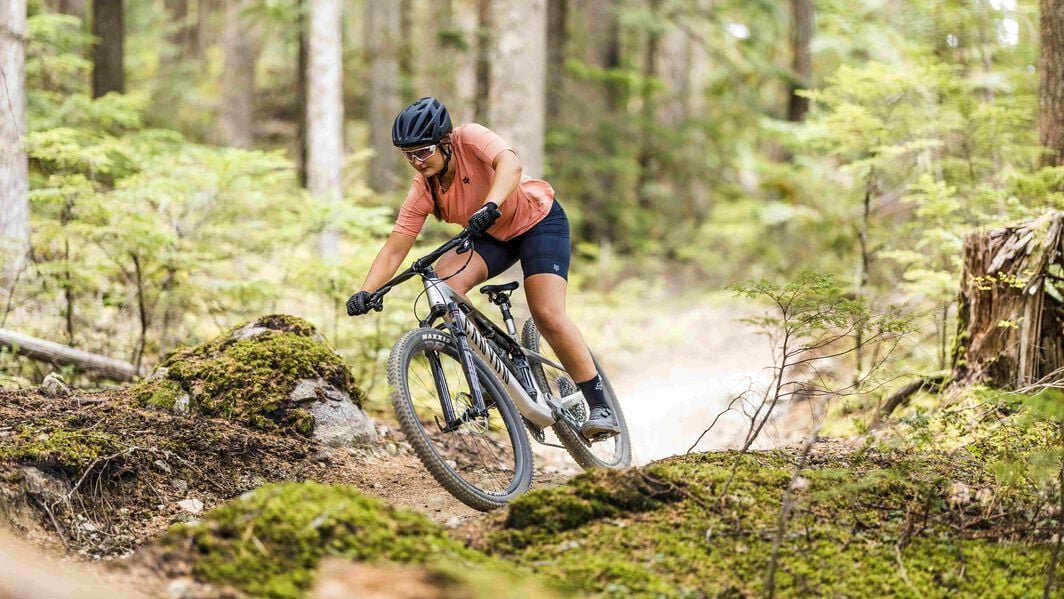
Trail bikes represent the most versatile among mountain bike, offering exceptional performance across diverse terrain conditions. These machines balance climbing efficiency with descending capability, making them ideal for riders who crave variety in their adventures.
Key Characteristics:
- Suspension Travel: 120-140mm front and rear
- Wheel Size: Predominantly 29-inch with some 27.5-inch options
- Frame Geometry: Moderate head angle (65-67 degrees) for stability
- Weight Range: 28-32 pounds for quality models
Ideal Terrain:
- Mixed singletrack with moderate climbs
- Flowy trails with rolling terrain
- Technical sections requiring versatility
- Day-long adventure rides
Popular Trail Bike Models:
- Specialized Stumpjumper: Industry benchmark for trail performance
- Trek Fuel EX: Refined suspension platform
- Giant Trance: Value-oriented excellence
Trail mountain bike styles excel because they don’t compromise dramatically in any single area. Riders can tackle morning climbs, afternoon descents, and technical rock gardens with confidence.
Cross-Country Mountain Bike Styles: Speed and Efficiency Masters
Racing Heritage in Mountain Bike Styles
Cross-country bike styles prioritize speed, efficiency, and endurance over all else. These lightweight machines represent the pinnacle of pedaling performance, designed for riders who measure success in miles covered and times achieved.
Performance Specifications:
- Suspension Travel: 100-120mm (hardtail or full-suspension)
- Frame Material: Premium carbon fiber for weight savings
- Wheel Configuration: 29-inch for rolling efficiency
- Weight Target: 22-28 pounds
Optimal Applications:
- Competitive racing environments
- Long-distance endurance rides
- Smooth to moderately technical terrain
- Fitness-focused cycling sessions
Leading XC Brands:
- Cannondale Scalpel: Innovative suspension design
- Scott Spark: Lightweight full-suspension excellence
- Specialized Epic: Race-proven performance
Cross-country bike teach riders fundamental skills while delivering unmatched efficiency. Their lightweight construction and responsive handling create an intimate connection between rider and terrain.
Enduro Mountain Bike Styles: Descending Specialists
Technical Prowess in Mountain Bike Styles
Enduro bike styles bridge the gap between trail versatility and downhill specialization. These aggressive machines prioritize descending performance while maintaining enough climbing capability for self-powered adventures.
Technical Features:
- Suspension Travel: 150-170mm front and rear
- Frame Design: Slack head angles (63-65 degrees)
- Component Focus: Durability over weight savings
- Wheel Setup: Robust construction with tubeless compatibility
Perfect Conditions:
- Steep, technical descents
- Rocky and root-laden trails
- Bike park environments
- Multi-hour epic rides
Enduro Excellence:
- Santa Cruz Nomad: Legendary descending prowess
- Yeti SB150: Precision engineering
- Transition Sentinel: Aggressive geometry leader
Enduro mountain bike styles represent the evolution of mountain biking toward more aggressive terrain. These bikes inspire confidence on descents that would intimidate riders on lighter machines.
Downhill Mountain Bike Styles: Pure Gravity Performance
Extreme Engineering in Mountain Bike Styles
Downhill mountain bike styles represent the most specialized category, engineered exclusively for high-speed descents on the most challenging terrain imaginable. These gravity-fed monsters prioritize stability and impact absorption over every other consideration.
Downhill Specifications:
- Suspension Travel: 180-220mm front and rear
- Frame Construction: Reinforced for massive impacts
- Weight Considerations: 35-45 pounds (climbing not prioritized)
- Geometry: Extremely slack for high-speed stability
Ideal Environments:
- Lift-accessed bike parks
- Steep mountain descents
- Professional racing circuits
- Extreme terrain challenges
Downhill Legends:
- Commencal Supreme: World Cup proven
- YT Tues: German engineering excellence
- Specialized Demo: Innovation leader
Downhill mountain bike styles push technological boundaries, featuring components and designs that trickle down to other categories. These machines represent the cutting edge of mountain bike engineering.
Hardtail Mountain Bike Styles: Simplicity and Skill Development
Pure Connection in Mountain Bike Styles
Hardtail mountain bike styles feature front suspension only, creating a direct connection between rider and rear wheel. This simplicity offers multiple advantages including lower weight, reduced maintenance, and enhanced skill development opportunities.
Hardtail Advantages:
- Weight Reduction: 3-5 pounds lighter than full-suspension equivalents
- Efficiency: Direct power transfer for climbing
- Maintenance: Fewer moving parts mean lower upkeep
- Skill Building: Immediate feedback improves technique
Application Areas:
- Cross-country racing
- Beginner skill development
- Budget-conscious purchases
- Smooth to moderate terrain
Hardtail Heroes:
- Kona Honzo: Steel frame character
- Salsa Timberjack: Adventure-ready design
- Specialized Chisel: Lightweight efficiency
Hardtail mountain bike styles prove that sophisticated suspension isn’t always necessary for incredible riding experiences. Many professional riders credit hardtails with developing their fundamental skills.
Specialty Mountain Bike Styles: Niche Perfection
Dirt Jump and Freeride Mountain Bike Styles
Specialty mountain bike styles cater to specific disciplines requiring unique designs. Dirt jump bikes prioritize strength and agility for aerial maneuvers, while freeride machines handle massive drops and technical stunts.
Dirt Jump Characteristics:
- Frame Design: Compact geometry for maneuverability
- Suspension: 100-120mm front travel (rigid rear)
- Build Focus: Bombproof construction
- Weight: 25-30 pounds
Freeride Features:
- Suspension Travel: 160-180mm front and rear
- Frame Strength: Reinforced for massive impacts
- Component Selection: Durability over weight
- Geometry: Stable at speed, agile for tricks
Fat Bike Mountain Bike Styles
Fat bike mountain bike styles feature oversized tires (4+ inches wide) designed for extreme traction on challenging surfaces like snow, sand, and loose terrain where traditional bikes struggle.
Fat Bike Benefits:
- Tire Volume: Massive contact patch for traction
- Pressure Range: 5-15 PSI for surface conformity
- Terrain Access: Year-round riding capability
- Stability: Enhanced balance on unstable surfaces
Electric Mountain Bike Styles: Power-Assisted Adventure
Revolutionary Technology in Mountain Bike Styles
Electric mountain bike styles integrate battery-powered assistance into traditional designs, extending range and capability while maintaining the core mountain biking experience. These systems multiply rider power rather than replace it.
E-MTB Categories:
- Trail E-Bikes: 130-150mm travel with balanced assistance
- Enduro E-Bikes: 160+ mm travel for aggressive terrain
- XC E-Bikes: Lightweight systems for efficiency
- Fat E-Bikes: Extended range for extreme conditions
Motor Technologies:
- Mid-Drive Systems: Natural pedaling feel
- Battery Range: 30-80 miles depending on assistance level
- Power Output: 250-750 watts maximum
- Integration: Seamless frame design
Leading E-MTB Brands:
- Specialized Turbo Levo: Refined assistance algorithms
- Trek Rail: Powerful motor integration
- Canyon Spectral:ON: European engineering excellence
Electric mountain bike democratize challenging terrain, enabling riders to tackle longer distances and steeper climbs while maintaining traditional mountain biking’s physical and mental benefits.
Choosing the Right Mountain Bike Style: Decision Framework
Terrain Analysis for Mountain Bike Styles
Your local terrain significantly influences which mountain bike styles will provide optimal enjoyment. Analyzing trail characteristics helps narrow choices effectively.
Terrain Classifications:
- Smooth Trails: Cross-country or hardtail styles excel
- Technical Descents: Enduro or trail styles provide confidence
- Mixed Conditions: Trail bikes offer versatility
- Extreme Terrain: Downhill or freeride styles dominate
Riding Goals and Mountain Bike Styles
Different styles align with various riding objectives and personal preferences.
Goal-Based Selection:
- Fitness Focus: Cross-country styles maximize workout benefits
- Adventure Seeking: Trail styles provide exploration capability
- Skill Development: Hardtail styles accelerate learning
- Adrenaline Pursuit: Downhill styles deliver maximum thrills
Budget Considerations Across Mountain Bike Styles
Mountain bike span enormous price ranges, from entry-level hardtails under $1,000 to professional downhill machines exceeding $10,000.
Budget Categories:
- Entry Level ($800-2,000): Quality hardtails and basic trail bikes
- Enthusiast ($2,000-5,000): Full-suspension trail and enduro options
- Performance ($5,000-8,000): Carbon frames and premium components
- Professional ($8,000+): Race-level specifications and materials
Essential Components Across Mountain Bike Styles
Suspension Systems in Different Mountain Bike Styles
Suspension technology varies dramatically across, with each category optimizing for specific performance characteristics.
Suspension Categories:
- Air Springs: Lightweight and adjustable for most styles
- Coil Springs: Superior performance for gravity-focused styles
- Lockout Systems: Efficiency enhancement for climbing
- Progressive Leverage: Advanced kinematics for control
Drivetrain Evolution in Mountain Bike Styles
Modern bike predominantly feature 1x (single chainring) drivetrains that simplify operation while providing adequate gear range.
Drivetrain Features:
- Gear Range: 10-12 speed cassettes with wide ratios
- Chainline Optimization: Improved efficiency and reliability
- Electronic Shifting: Premium models feature wireless systems
- Durability Focus: Components designed for off-road abuse
Wheel and Tire Technology Across Mountain Bike Styles
Wheel size and tire selection significantly impact performance across different bike.
Wheel Size Impacts:
- 29-inch Wheels: Roll-over capability and momentum retention
- 27.5-inch Wheels: Agility and acceleration advantages
- Mixed Setups: Some bikes combine sizes for optimization
Tire Considerations:
- Tread Patterns: Terrain-specific designs
- Compound Technology: Grip versus durability balance
- Tubeless Systems: Puncture resistance and pressure optimization
Maintenance Requirements for Different Mountain Bike Styles
Service Intervals by Mountain Bike Style
Different mountain bike require varying maintenance schedules based on component complexity and riding conditions.
Maintenance Schedules:
- Hardtails: Lower maintenance due to fewer moving parts
- Trail Bikes: Moderate service requirements
- Downhill Bikes: Intensive maintenance after heavy use
- E-MTBs: Additional electrical system considerations
Cost of Ownership Across Mountain Bike Styles
Understanding long-term costs helps riders budget appropriately for their chosen mountain bike style.
Ownership Costs:
- Component Replacement: Varies by riding intensity
- Professional Service: Complex systems require expertise
- Upgrade Potential: Some styles offer better upgrade paths
- Resale Value: Popular styles maintain value better
Safety Considerations for Mountain Bike Styles
Protective Equipment by Riding Style
Different styles demand varying levels of protective equipment based on terrain difficulty and crash consequences.
Protection Levels:
- XC Riding: Helmet and basic padding sufficient
- Trail Riding: Add knee pads and gloves
- Enduro/Downhill: Full-face helmets and comprehensive protection
- Specialty Disciplines: Sport-specific safety gear
Risk Assessment Across Mountain Bike Styles
Understanding inherent risks helps riders make informed decisions about appropriate for their skill level.
Risk Factors:
- Speed Potential: Faster styles require greater skill
- Terrain Exposure: Technical styles demand advanced techniques
- Consequence Severity: Gravity styles increase injury potential
- Skill Progression: Gradual advancement reduces risks
Future Trends in Mountain Bike Styles
Technological Advancement Across Mountain Bike Styles
continue evolving through technological innovation and changing rider preferences.
Emerging Trends:
- Integration: Cleaner designs with hidden components
- Customization: Adjustable geometry and suspension
- Sustainability: Eco-friendly materials and manufacturing
- Connectivity: Smart systems and ride tracking
Market Evolution in Mountain Bike Styles
The mountain bike industry constantly adapts to rider demands, creating new subcategories and refining existing.
Market Directions:
- Specialization: Increasingly specific designs
- Accessibility: Entry-level improvements
- Performance: Continuous capability advancement
- Diversity: Expanding style options
Expert Recommendations for Mountain Bike Styles
Beginner-Friendly Mountain Bike Styles
New riders benefit from specific bike styles that facilitate learning while providing room for skill development.
Beginner Recommendations:
- Hardtail Trail Bikes: Best learning platforms
- Entry-Level Full-Suspension: Comfort with forgiveness
- Cross-Country Styles: Fitness and skill building
- Rental Options: Style experimentation before purchasing
Advanced Rider Considerations in Mountain Bike Styles
Experienced riders can explore more specialized mountain bike that push performance boundaries.
Advanced Options:
- Enduro Styles: Technical challenge and versatility
- Downhill Styles: Maximum performance potential
- Custom Builds: Personalized specifications
- Multiple Bikes: Style-specific quiver approach
Regional Considerations for Mountain Bike Styles
Terrain-Specific Mountain Bike Style Selection
Geographic location significantly influences which bike styles provide optimal performance and enjoyment.
Regional Adaptations:
- Mountain Regions: Gravity-focused styles dominate
- Desert Areas: Hardtails and efficient styles excel
- Forest Terrain: Trail styles provide versatility
- Urban Areas: Dirt jump and freeride styles flourish
Climate Impact on Mountain Bike Styles
Weather conditions affect material choice and component selection across different styles.
Climate Considerations:
- Wet Conditions: Corrosion-resistant components
- Extreme Heat: Heat-dissipating materials
- Cold Weather: Low-temperature lubricants
- Variable Conditions: Adaptable systems
Building Your Mountain Bike Style Knowledge
Research Resources for Mountain Bike Styles
Developing expertise in requires accessing quality information sources and hands-on experience.
Learning Resources:
- Manufacturer Websites: Technical specifications and innovations
- Industry Publications: Trends and reviews
- Local Shops: Hands-on experience and advice
- Riding Communities: Real-world insights and experiences
Test Riding Different Mountain Bike Styles
Physical experience with various provides invaluable insights that specifications cannot convey.
Test Riding Strategy:
- Demo Days: Manufacturer events with multiple options
- Shop Rentals: Extended experience opportunities
- Friend Networks: Borrowing different styles
- Guided Tours: Professional instruction and guidance
Conclusion: Mastering Mountain Bike Styles for Your Perfect Ride
Understanding empowers riders to make informed decisions that dramatically enhance their off-road adventures. Whether you’re drawn to the efficiency of cross-country styles, the versatility of trail bikes, or the raw power of downhill machines, each category offers unique rewards and challenges.
The key to success lies in honestly assessing your riding goals, local terrain, and personal preferences. Don’t be swayed by the latest trends or peer pressure – choose the mountain bike style that genuinely excites you and matches your intended use.
Remember thatbike represent starting points, not limitations. Many riders eventually own multiple bikes to explore different aspects of the sport. Your first bike choice should provide a solid foundation for skill development and riding enjoyment.
As you gain experience, you’ll develop preferences that guide future mountain bike style selections. The beauty of mountain biking lies in its diversity – there’s always a new trail to explore, a new skill to master, and a new mountain bike style to discover.
Ready to find your perfect mountain bike style? Visit your local bike shop, test ride different options, and prepare for adventures that will transform your relationship with the outdoors. The right mountain bike style isn’t just transportation – it’s your gateway to freedom, fitness, and unforgettable experiences on the trails.
This comprehensive guide to provides the foundation for making informed purchasing decisions. Remember to prioritize safety, start within your skill level, and most importantly, have fun exploring the incredible world of mountain biking!